
The World Is Watching. What Are We Saying Without Words?
An Outfluence Communication Special Feature
By Al Betz | November 21, 2026
Three of the world's most powerful leaders recently gathered in Shenzhen, China. President Donald Trump of the United States, President Xi Jinping of China, and President Vladimir Putin of Russia participated in meetings that attracted worldwide attention.
The discussions involved matters that could influence international trade, economic stability, national security, and relationships among nations.
Journalists recorded their statements. Political analysts examined their positions. Millions of people watched.
But something else was happening that deserves our attention.
These leaders were communicating even when they weren't speaking.
And whether we realize it or not, so are we.
The Welcome That Said More Than Hello
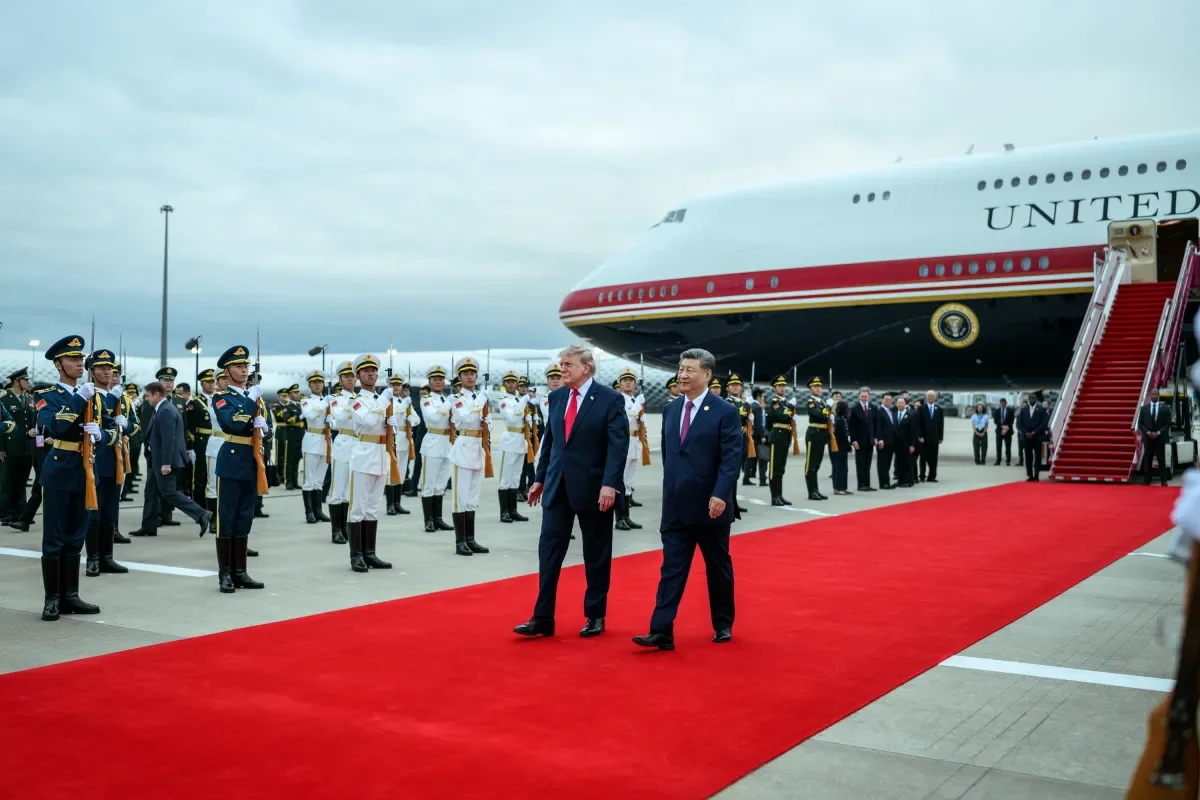
On November 18, President Trump arrived in Shenzhen for the Asia-Pacific Economic Cooperation summit. Waiting to greet him at the airport was President Xi Jinping. The two leaders shook hands, briefly embraced, and walked together past a military honor guard.
Consider that moment.
China and the United States have significant differences. Their leaders have important matters to discuss. Yet before entering a meeting room or beginning formal negotiations, they presented the world with an image of cordiality. What did that greeting communicate?
Respect? Friendship? A willingness to cooperate? Perhaps an effort to establish a positive atmosphere before difficult conversations?
We cannot know precisely what either leader intended. But we can recognize that their actions helped create an impression before formal discussions began.
Now, let's leave China for a moment and visit an elementary school in America.
A young student is attending a new school for the first time. He's nervous. He doesn't know anyone. He enters his classroom and looks around.
Nobody acknowledges him.
He finds a seat and sits quietly, wondering whether anyone wants him there.
Now imagine the same student entering the same classroom, but this time the teacher notices him immediately, approaches with a warm smile, welcomes him, and introduces him to another student.
Nothing extraordinary happened. Or did it?
One greeting might influence that child's entire day. Perhaps it will help him feel comfortable enough to participate, ask questions, and begin making friends.
Two very different settings. Two very different levels of responsibility.
One important communication principle.
A Handshake Between Rivals
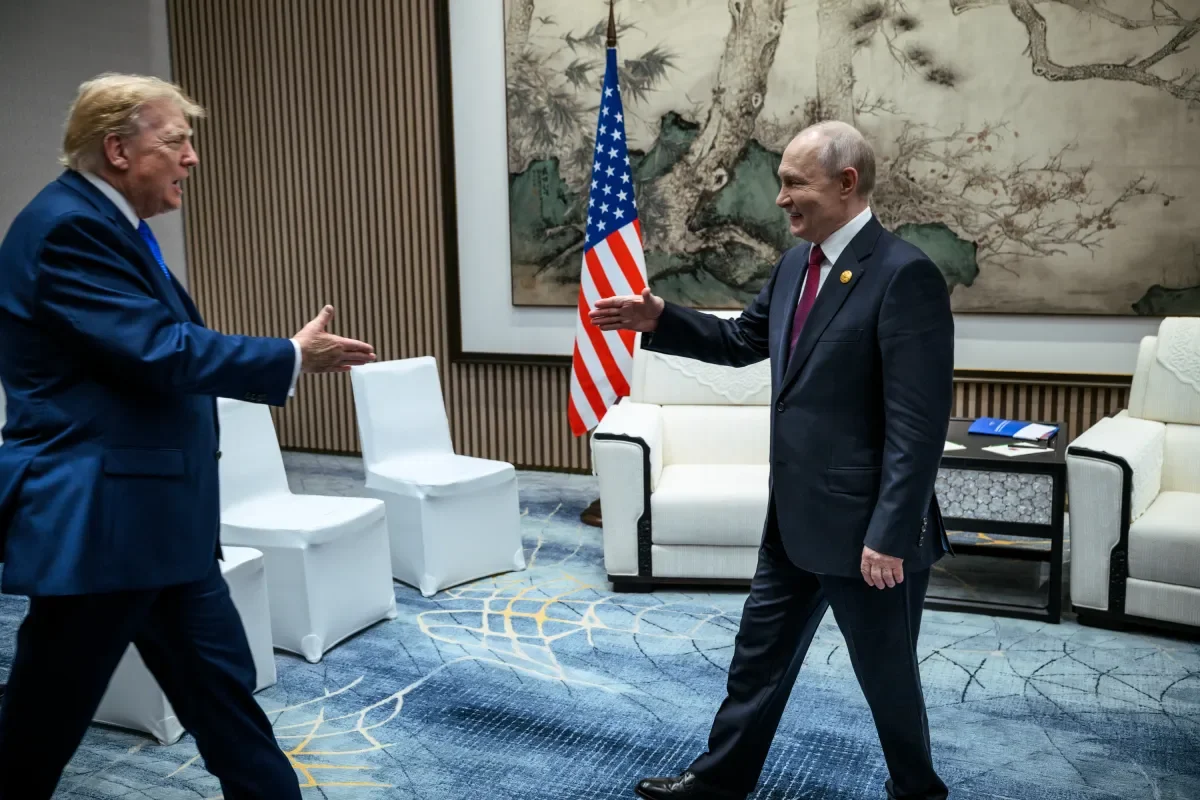
Another interesting moment occurred when Presidents Trump and Putin greeted one another during the summit.
Look at the photograph. Both men are approaching, their hands extended.
They are preparing to engage before a word is spoken.
Why does something as ordinary as a handshake attract international attention? Because the people involved, their history, and the circumstances surrounding the encounter give the gesture significance.
A handshake cannot settle a conflict. It doesn't establish trust by itself. It certainly doesn't guarantee friendship.
But it can acknowledge another person's presence and establish an opening for conversation.
Now imagine a young adult arriving for a job interview. One applicant is distracted, looking at a phone, barely acknowledging the person who comes to greet them.
Another puts the phone away, gives the interviewer their attention, and responds with a friendly greeting.
Which applicant has created a more favorable first impression?
We don't know which one is more intelligent, better qualified, or likely to perform the job successfully.
But we can see how behavior might influence the beginning of an important relationship.
And the applicant may not even realize the message being sent.
The Negotiating Table
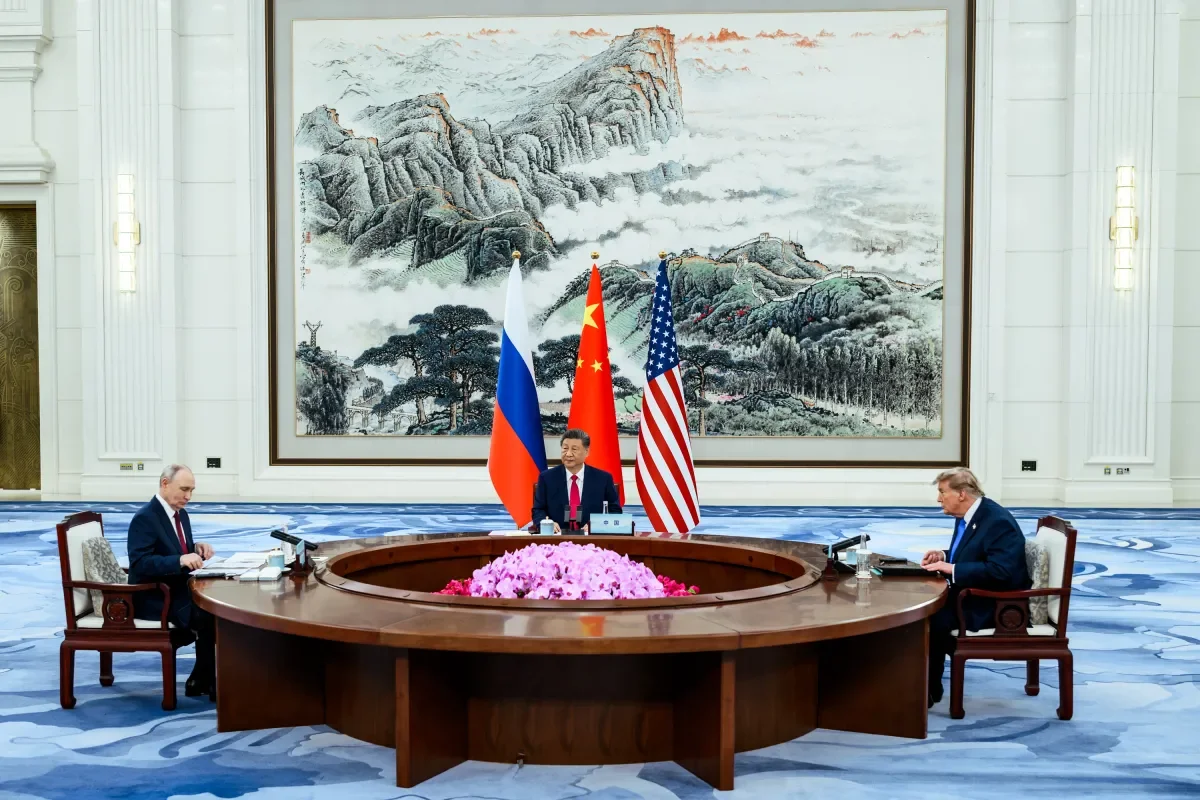
Now consider another photograph.
Three world leaders are seated around a large circular negotiating table. President Xi occupies the central position visible in the photograph, with Presidents Trump and Putin seated at different points around the table.
Before hearing anything they say, what do you notice?
Their positions? Their posture? The distance between them? The expressions on their faces?
Even the room itself communicates something about the occasion.
Diplomatic seating arrangements are carefully considered. They may reflect protocol, practical needs, status, and the objectives of the meeting.
But here's where communication becomes especially interesting.
We should be careful not to assume we know someone's intentions simply because of where they sit or how they look.
What we observe is real. What we conclude may be wrong.
Think about a business meeting.
A supervisor sits behind a large desk while an employee sits opposite.
Now imagine the supervisor moving to a smaller table where the two can sit comfortably and discuss a problem.
Has the relationship changed?
Not necessarily.
But the atmosphere may have changed, and that can influence how comfortably people communicate.
Understanding these possibilities is part of becoming an intentional communicator.
The Photograph That Isn't Being Taken
Most of us will never participate in an international
summit. We won't have diplomatic advisers
preparing us for important encounters or
photographers recording our every expression.
But we send silent messages all day long.
A parent listening attentively to a child.
A teacher noticing that a student is struggling.
A receptionist greeting a nervous visitor.
A supervisor giving an employee undivided attention.
A teenager noticing that someone has been left out.
And sometimes the messages are less encouraging.
An impatient glance. A dismissive gesture. A conversation interrupted by a cellphone. An expression that suggests we would rather be somewhere else.
Some of these messages are intentional. Others aren't.
But the people receiving them may respond as though every message was deliberate.
That's where misunderstandings begin.
And sometimes those misunderstandings have consequences that last far longer than the moments that created them.
What If We Learned This as Children?
Imagine helping children recognize these messages early in life.
Not simply telling them to smile, make eye contact, or shake someone's hand. Those behaviors aren't appropriate in every situation or culture.
Instead, imagine letting children discover how their behavior influences the people around them.
How does it feel when someone welcomes you?
How does it feel when someone ignores you?
What happens when you give someone your full attention?
What might someone be communicating when they become unusually quiet?
And how can you find out what that person really means instead of assuming you already know?
These questions invite discovery.
They encourage children to recognize that other people have feelings, perspectives, expectations, and experiences that may be different from their own.
They help children become more thoughtful about the messages they send and more careful about the conclusions they draw.
The lessons don't end with childhood.
The same awareness can influence friendships, family relationships, employment opportunities, leadership, customer service, and the way we treat strangers.
A single positive encounter won't guarantee success in life. But repeated experiences of awareness, respect, and thoughtful communication can help build the relationships upon which so much of life depends.
Where Outfluence Comes In
At Outfluence, we believe communication education should begin early and continue throughout life.
Our approach is built around a simple idea:
Students aren't simply taught a communication principle. They discover it for themselves.
Silent Communicators is one of the principles we help people explore.
We want students to become aware of the messages they send through their behavior, expressions, attention, and actions.
We also want them to appreciate how easily they can misunderstand someone else's silent message.
The objective isn't to teach children to perform a collection of gestures.
It is to help them become more aware of themselves, more attentive to others, and better prepared to build meaningful relationships.
That's why we believe communication deserves a meaningful place in every child's education.
A Final Thought
During the meetings in China, journalists and observers examined the words spoken by Presidents Trump, Xi, and Putin.
They also examined the handshakes, greetings, expressions, and other behavior that surrounded those words.
And people disagreed about what some of those moments meant.
Meanwhile, throughout America and around the world, children are communicating silently with parents, teachers, classmates, friends, and strangers.
Some are making friends. Some are feeling excluded. Some are creating opportunities. Others may be closing doors without realizing it.
Most will never have anyone explain how those everyday experiences are influenced by silent communication.
Perhaps it's time we changed that.
If understanding silent communication is important enough to influence the preparation of world leaders, shouldn't it also be part of preparing our children for life?
Outfluence Communication
Where Experience Becomes Learning.
Helping people discover the messages they send, even when they aren't speaking.
Photographs: Official White House photographs by Daniel Torok and Patrick Witty, November 18–19, 2026. No endorsement of Outfluence is implied.
© 2026 Outfluence, LLC. All rights reserved. (Article text only.)